

Is Shopify Legit?
Company History
Shopify is a widely recognized global ecommerce platform that was established in 2004 by Tobias Lütke, Daniel Weinand, and Scott Lake in Ottawa, Canada. The platform was designed to offer a comprehensive solution for small businesses around the world to streamline their daily operations.
Over the past decade, Shopify has experienced remarkable growth, expanding its reach to more than 175 countries and becoming one of the most successful online companies in Canada. The platform is especially praised for its user-friendliness, enabling individuals to create ecommerce websites without any coding knowledge.
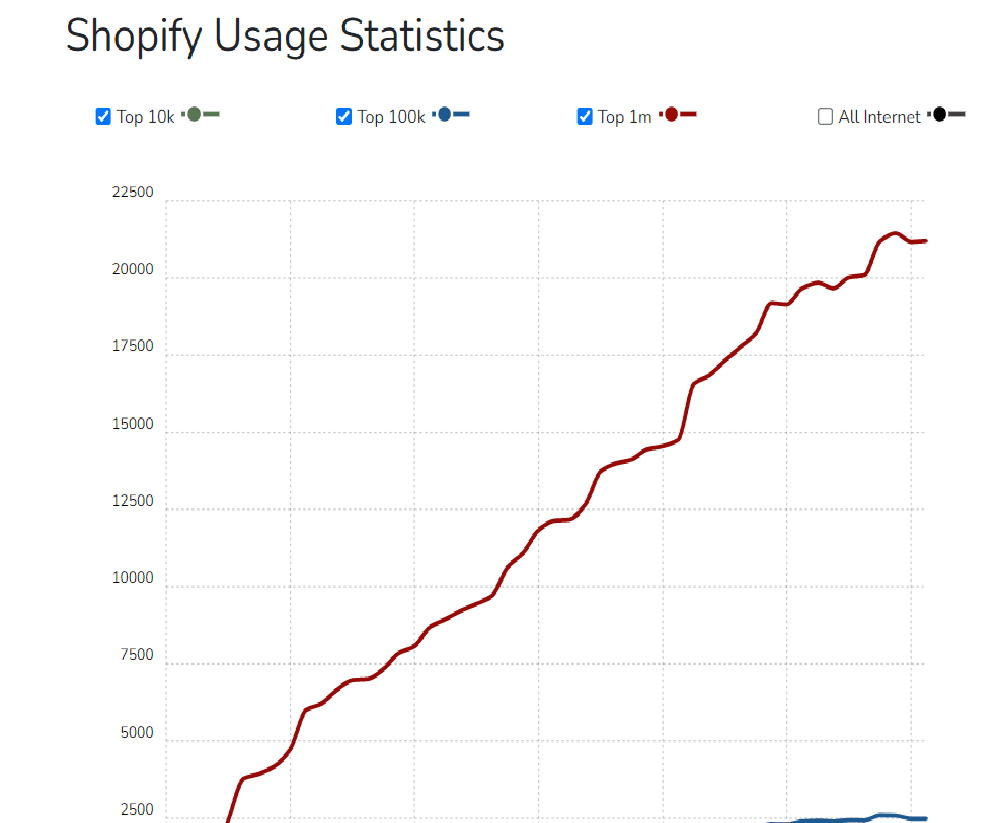
According to BuiltWith, it currently powers over 4 million eCommerce businesses. The user-friendly interface makes it an excellent platform for beginner merchants, especially since you can host unlimited products regardless of your chosen pricing plan.
Check out our Shopify review and some tutorials to learn more about whether it is the right platform for you.
- How Does Shopify Work?
- Shopify Pricing Plans
- Shopify for Blogging
- Popular Shopify Stores
Other Shopify Products and Services
Beyond the commerce platform, Shopify has grown to offer Shopify Capital and the Shopify Fulfillment Network. They also provide a point of sale (POS) system for brick-and-mortar businesses and pop-up shops.
Shopify Capital
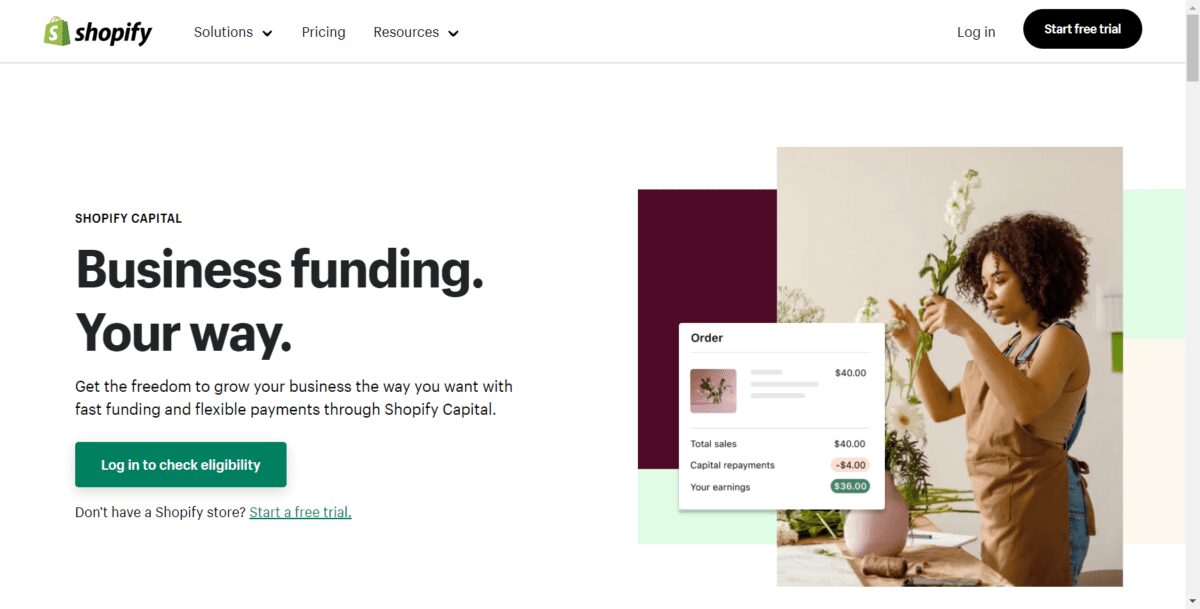
Shopify Capital offers a unique financing solution for eCommerce entrepreneurs. It provides unsecured cash advances of up to $500,000 based on your Shopify store's past sales performance. The repayment is made through a percentage of your daily sales.
Business owners have the flexibility to use the funds for various purposes, such as marketing, inventory expansion, and more, allowing merchants to grow their businesses in the direction they desire.
Shopify Fulfillment Network
The Shopify Fulfillment Network (SFN) is an innovative service from Shopify that simplifies and reduces the cost of order fulfillment for businesses.
In essence, SFN allows merchants to efficiently manage their warehousing and fulfillment needs, eliminating the need to handle these processes internally or outsource them to a third-party provider.
By using SFN, merchants can gain full control over their supply chain, storing inventory in multiple locations and automating shipping. This not only saves time and money but also speeds up delivery and enhances customer service. Additionally, SFN integrates smoothly with Shopify's eCommerce platform, allowing business owners to manage all their fulfillment operations from a single interface.
Payment Security
Shopify is committed to ensuring the security of your payment data through its fast and reliable servers, PCI Level 1 encryption, and two-factor authentication. With these robust security protocols, Shopify ensures your transactions are protected against fraud and other potential risks.
Shopify partners with leading payment gateways, such as Stripe and PayPal, to securely process payments on its platform. Additionally, Shopify offers advanced anti-fraud tools to safeguard your financial information. For store owners, Shopify Payments provides an option to reduce transaction fees.
Apps and Add-Ons
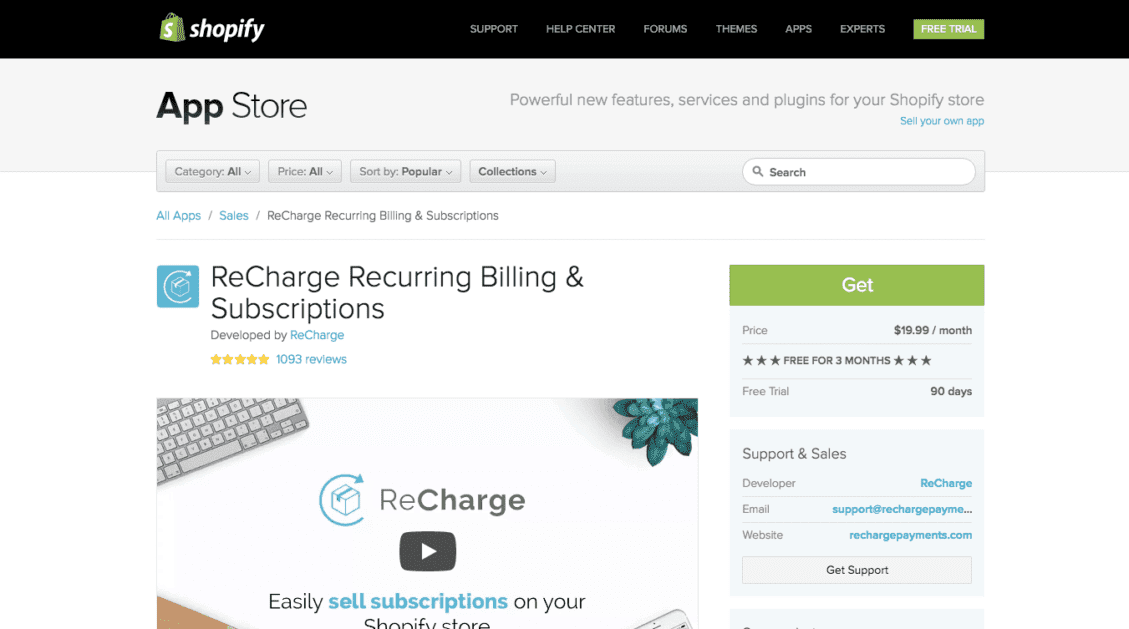
The Shopify App Store is a vast marketplace where you can integrate various third-party services into your store. While some of these apps are free, many require an additional monthly subscription fee. Depending on the features you need, you could end up spending hundreds of dollars a month, in addition to your basic Shopify subscription fees, to customize your store to your liking.
It's important to note that these app fees are usually paid directly to the third-party provider, not to Shopify itself. For example, if you use Mailchimp for email marketing and need to upgrade beyond their free plan, you can still use the Shopify app integration for free, but you'll still be responsible for the Mailchimp subscription fee.
If you're running a dropshipping business, Shopify is often regarded as one of the best ecommerce platforms because it integrates with so many supplier apps. Some people might view this as a "scam," but it's a common business model, particularly in the ecommerce space. These apps serve as plugins to enhance the functionality of your online store.
BigCommerce, a key competitor to Shopify, follows a similar marketplace-based model. The key to saving money is selecting the Shopify plan with the features you need most and avoiding reliance on extra paid apps to fill in the gaps.
In addition to the app marketplace, Shopify and other major ecommerce platforms also offer premium website templates. These are optional, paid customizations that give you greater freedom and flexibility in designing your store. While free themes are available to get started, using them may not help your store stand out, as many other merchants might be using the same templates.
Are Shopify Websites Legit?
Yes, fraudsters are present everywhere, so scams are unfortunately common. This is a widespread issue across many types of websites, not just something unique to Shopify.
Scams to Watch For
These scams aren’t unique to Shopify but are the most common ones you’ll encounter as you shop with merchants.
Shopify Store Duplicator Schemes
The duplicator scheme is a type of scam where fraudsters create fake online stores with domain names that closely resemble existing Shopify stores, often selling identical products.
An example of this was with Mike Lindell’s MyPillow store, where scammers set up a duplicate site under the domain name mypillowstore.com.
In response to this issue, Shopify took action by removing the fake store and implemented additional software tools and teams specifically focused on identifying and removing fraudulent websites.
Triangulation Schemes
The triangulation scheme is a sophisticated and profitable scam that targets Shopify and other ecommerce platforms. It involves fraudsters setting up fake Shopify stores and marketing them as legitimate using SEO, social media, and other promotional tactics. The scammer then purchases products from suppliers using stolen credit cards.
When the stolen credit cards are rejected, the credit card company processes a chargeback through Shopify, causing the scammer to lose both the money and the products they acquired.
Fake Return Ticket
In this scam, a buyer makes an initial purchase but later decides they prefer a similar, less expensive product. The scammer then requests a return for the first, more expensive item, claiming there was an issue with the product (e.g., it didn’t match the description).
When the return is sent, it’s actually the cheaper product that the scammer returns. As a result, they receive a refund for the higher-priced item, while keeping the better product.
Direct Client Scheme
This scheme involves gaining the buyer's trust over time. The buyer makes an initial purchase without issue, but on the next order, the scammer suggests bypassing Shopify to avoid transaction fees and directly paying with a credit card.
Once the scammer has the buyer’s full credit card information, they drain the funds, and the buyer never receives the second order.
Switching Scheme
In a switching scheme, a buyer claims to have issues completing payment through Shopify’s Checkout system. They then request that the seller send them a PayPal invoice directly to bypass the payment problem.
Once the invoice is sent, the seller receives a notification that appears to be from PayPal stating that payment has been made, with funds on hold until a tracking number is provided. The scammer pressures the seller to ship the product.
However, the PayPal payment is never actually made, and once the seller ships the product, they lose both the goods and the money. This scam is not exclusive to Shopify and has been seen on platforms like eBay as well.
Fake Purchase Orders
This rare scam is more technically sophisticated. The scammer creates a fake version of the Shopify checkout page and alters the code to send the data to their cloud drive. They can then manipulate the details, changing the price or other aspects of the order.
Once the data is adjusted, they send the altered checkout sheet back to the seller, who might unknowingly approve the transaction at a lower price or even for free. If the scammer doesn't succeed in altering the order, they can still initiate a chargeback, causing the seller to lose money.
Reporting Scam Stores to Shopify
If you believe a Shopify store might be fraudulent, it's crucial to alert Shopify support as soon as possible.
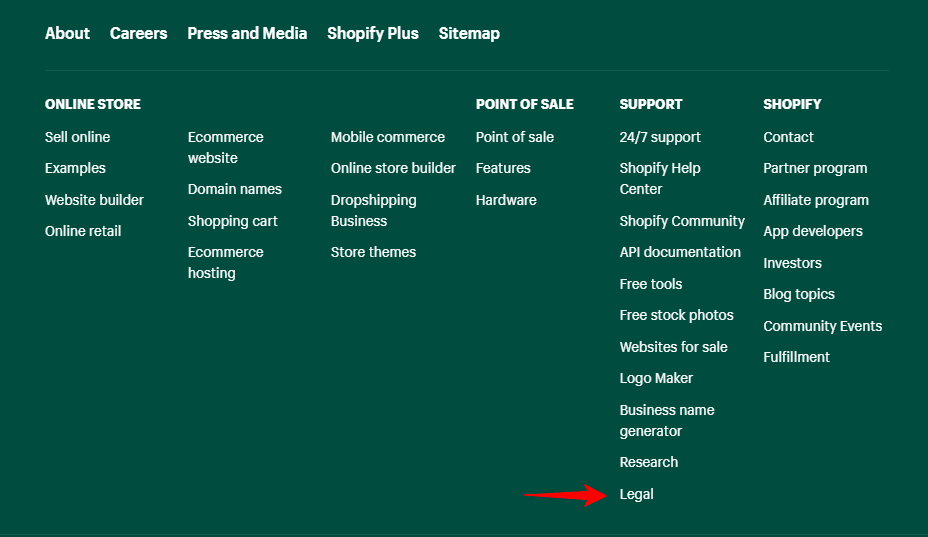
To report a concern, go to the Shopify homepage and scroll down to the footer. Click on the "Legal" link.
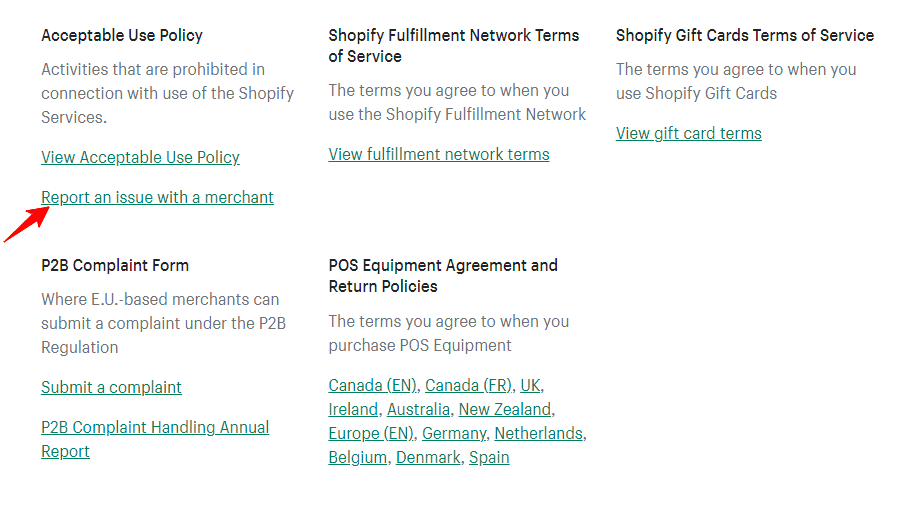
On that page, scroll until you see “Acceptable Use Policy” and click “Report an issue with a merchant.”
From there, you’ll be able to choose the issue from a dropdown menu and fill out a form with details.
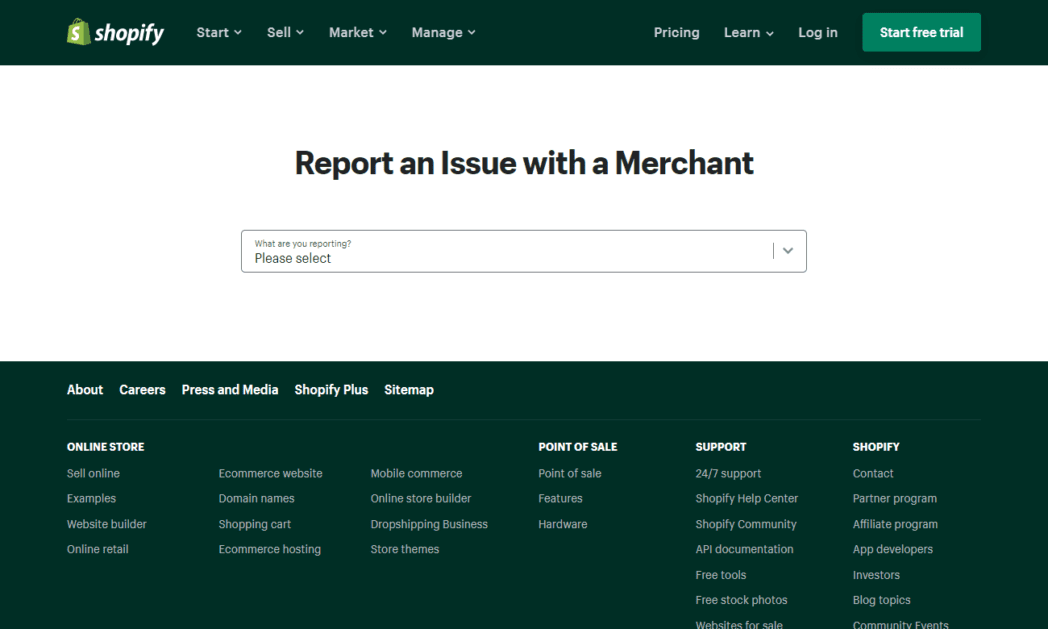
This will notify Shopify about any questionable activity linked to the store, prompting them to take appropriate action.
If you have specific questions or concerns about a particular store, you can reach out to Shopify directly through their website or by calling their support number.
Reporting fraudulent stores is an important step in safeguarding the Shopify community, so be sure to contribute to keeping the platform secure.
Shopify is a Legit Ecommerce Platform for Your Online Store
The key takeaway here is that Shopify itself is a legitimate ecommerce platform, but not all stores hosted on it are trustworthy.
If you're an ecommerce business owner, you can take steps to ensure your store is one of the reputable ones. As an online shopper, it's important to do your research and make sure you're buying from a reliable store.