

Traffic to your Shopify store is the lifeblood of any e-commerce business. Sustainable sales growth relies on a consistent influx of potential customers visiting your site. Even with strong retention efforts and a loyal customer base, revenue can dwindle if you aren’t attracting new prospects.
It’s no secret that your e-commerce business thrives or declines based on its sales. Website traffic is the crucial first step in transforming search intent into actual customers.
This article will explore how Shopify stores can effectively drive traffic through a variety of strategies and techniques. So, let’s dive in there’s no time to waste!
Understanding the basics of ecommerce traffic

If you're looking to drive traffic to your Shopify store, the first step is to understand what traffic means in the context of e-commerce.
There are various ways to define e-commerce web traffic, but the simplest definition describes it as the flow of potential customers who are browsing your Shopify website.
We can categorize traffic into two broad types: paid and organic.
Let’s take a closer look at both:
- Paid traffic: Visitors who reach your site after clicking on a search engine, display, or social media ad.
- Organic traffic: Prospects that find you through search engines, social media shares, links on forums, or by directly typing your URL into their browser essentially, free traffic.
So, which is better: paid or organic?
It’s not a competition.
Both sources of traffic are vital for your Shopify store. A useful way to think about it is that organic traffic serves as a long-term strategy for user acquisition, while paid ads provide a quick boost when you need it most.
Leveraging SEO to boost organic traffic
Search engine optimization (SEO) is essential for generating organic traffic. Ideally, you want prospects to arrive at your store ready to purchase just by searching for the products you offer. While SEO can help you achieve this, keep in mind that it’s not an easy task and takes time to yield results.
Here’s what you need to do to drive traffic to your Shopify store through SEO:
- Invest time in keyword research to understand what terms potential customers use when searching for your products.
- Ensure your product descriptions are well-crafted and align with user intent.
- Create well-optimized meta descriptions that have a strong impact on search results pages.
- Since many users rely on image search to find products, make sure your photos are high-quality and appealing.
- Consider creating blog content as another effective way to enhance your SEO ranking and engage with your target audience.
Utilizing social media to drive traffic

Social media is another effective way to drive traffic to your online store. Establishing a presence on platforms like Meta, Instagram, TikTok, and Pinterest allows you to attract customers and relevant traffic. However, it's essential to post and share engaging content from your social media accounts.
Some of the best strategies for increasing traffic to your Shopify store include:
- Posting shareworthy visual content.
- Building a strong community around your store.
- Encouraging existing customers to create user-generated content or guest posts.
- Utilizing influencer marketing campaigns to connect with your target audience.
On social media platforms, people gather around topics and interests they are passionate about. By establishing your Shopify store on social media, you can generate traffic and views that can ultimately lead to sales.
Implementing effective content marketing
The best way to capture your target audience’s attention, trust, and interest is by creating content they love.
There are various types of content you can produce to help drive traffic to your Shopify store, including:
- Blog posts and guest posting
- Video content
- Podcasts
When considering the kind of content to create, here are some effective ideas:
- Content that helps users maximize their experience with your products or services.
- Helpful articles that answer common user questions.
- Topics and trends relevant to your niche.
- Content that establishes your authority in the industry.
Finally, think about your target audience and their preferred formats. For instance, short and engaging videos are perfect for the TikTok generation, while in-depth and educational content may resonate better with a professional audience.
Email marketing strategies for increased traffic
Every year, some claim that email marketing is dead. However, it's far from it. In fact, email marketing campaigns remain one of the most effective and cost-efficient ways to connect with consumers.
Here are some effective email marketing ideas for driving traffic to your Shopify store:
- Newsletters featuring product information, tips, and clear CTAs.
- Emails with personalized recommendations for your customers.
- Promotional emails highlighting offers, discounts, and special deals.
Pro Tip: Keep your email list clean by periodically removing recipients who aren’t opening or reading your emails. This practice can significantly boost your overall deliverability.
Paid advertising: a tool for quick traffic boosts
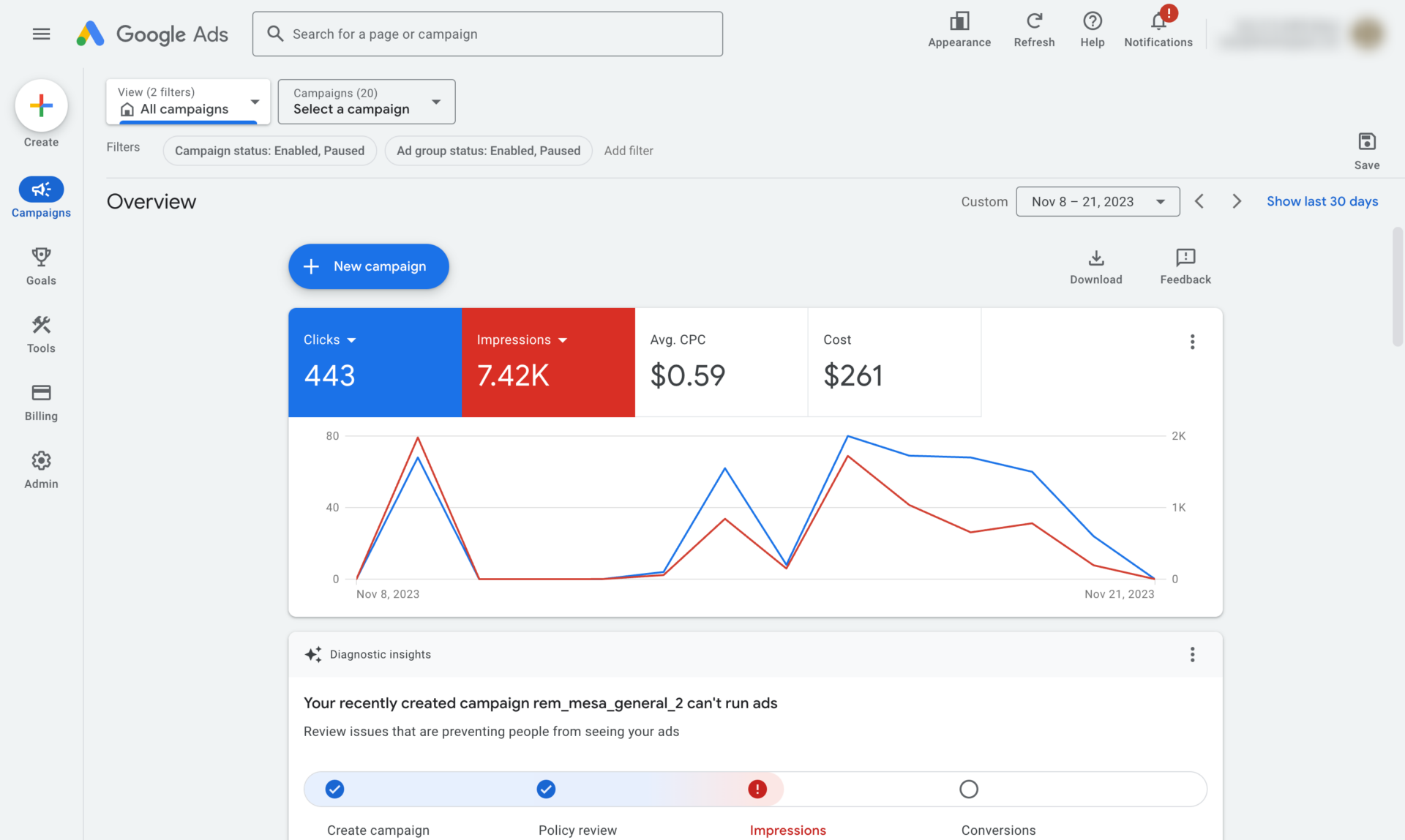
While organic marketing is a sustainable and cost-effective way to drive traffic to your Shopify store, it typically involves a longer-term strategy. For example, SEO can take six months or more to start delivering results. So, what should you do while waiting for online shoppers to visit your Shopify website? The answer lies in paid ads.
Although paid ads are a fantastic short-term solution, it’s important to note that they are also a key component of a comprehensive strategy for increasing traffic to your store. When combined with organic traffic efforts, paid ads can effectively encourage potential customers to explore your products.
Here are a few compelling reasons to utilize paid social media ads:
- Advertising platforms like Instagram ads, YouTube ads, and Google Ads offer precise targeting and access to a vast audience.
- Google Search Ads allow your products to appear above other entries on the search engine results page (SERP) for relevant keywords.
- Ad platforms generate valuable data that can help you understand your audience and optimize conversion rates and sales.
Here are the fundamentals of an effective paid ads strategy:
- Understand your audience: Utilize the excellent targeting capabilities of Google and Facebook Ads to serve ads based on demographics, location, interests, and more.
- Leverage analytics: Determine the long-term value of each customer and use that information to inform your bidding strategy.
- Create ads that sell: Ensure your ads include:
- Compelling and descriptive headlines that grab attention.
- Copy that emphasizes benefits rather than just specifications and features.
- High-quality visuals.
- Clear calls to action (CTAs).
- Implement A/B testing: Serve different versions or combinations of your ads to users, then identify which performs best.
- Track metrics and ad performance: Make ongoing adjustments to maximize the value of your ad spending.
Collaborations and partnerships
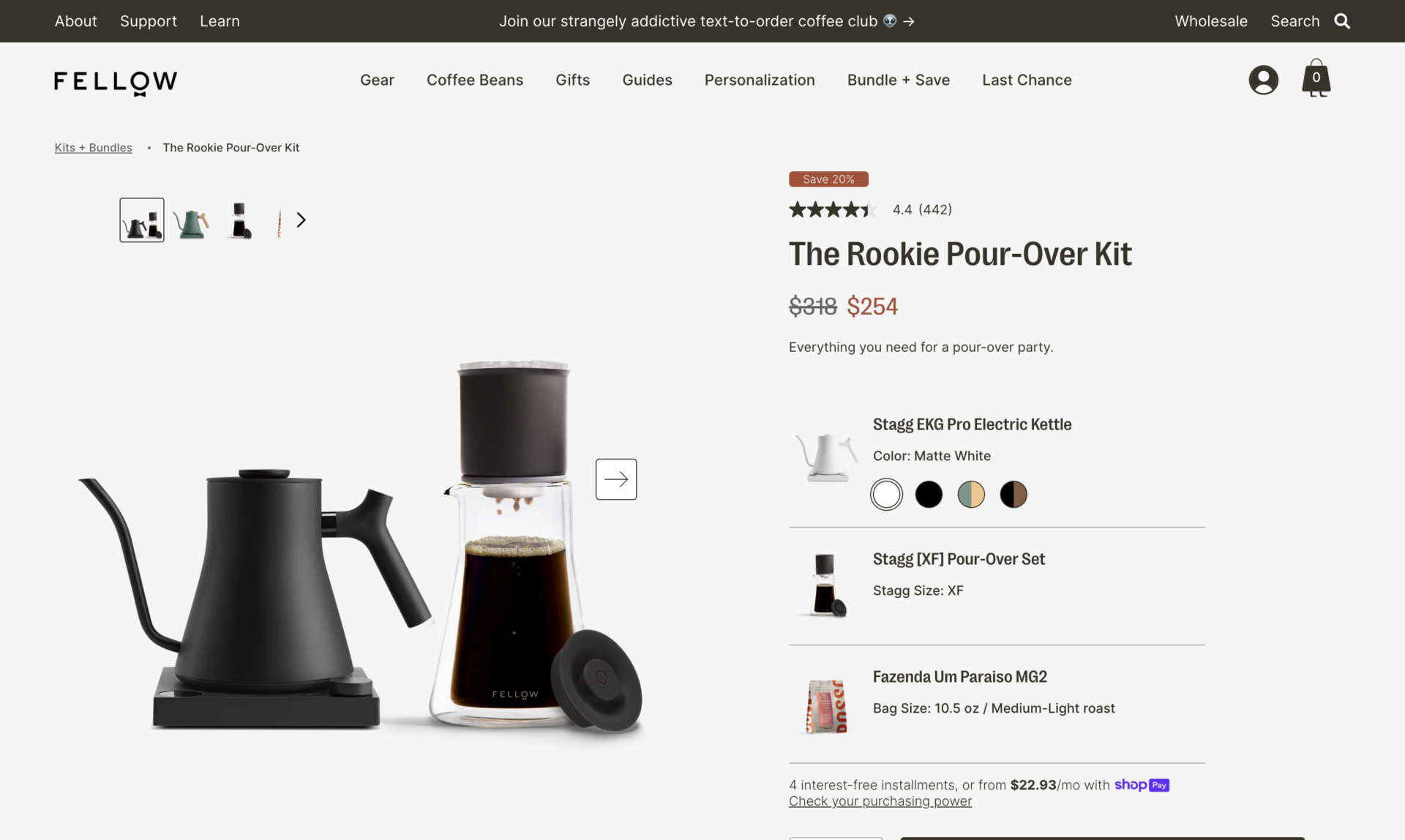
Another effective strategy for driving traffic to your Shopify store is to embrace collaborations and partnerships with brands and influencers. Here are some helpful tips:
- Look for trusted and relevant influencers whose values and audience align with your own.
- Identify brands that aren’t direct competitors but sell related products. You can engage in various cross-promotions, such as discounts, guest blogs, or contests, to access each other’s audiences.
- Explore affiliate marketing, which allows individuals to promote your brand around the clock in exchange for a small commission on your sales.
Analyzing and optimizing traffic strategies
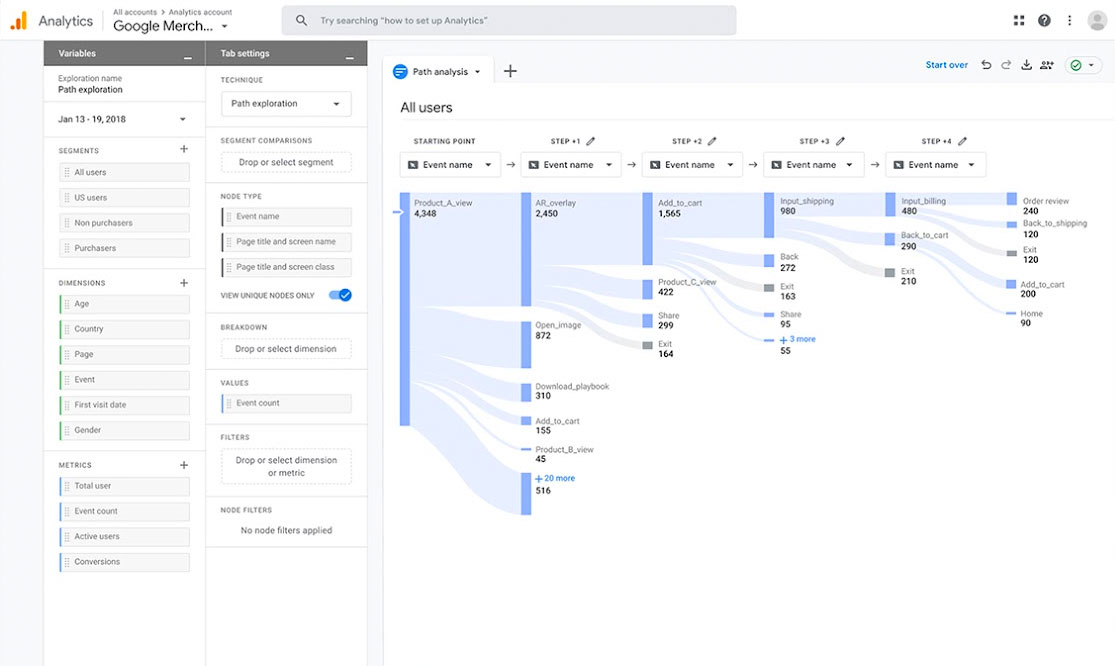
Tools like Google Analytics 4 (GA4) are invaluable for understanding where your quality traffic is coming from. By utilizing these tools, you can determine which strategies are effective and which ones need improvement.
GA4 can also help you forecast the potential impact of your sales and marketing budget on your overall sales.
Another important factor to consider is the customer journey, which encompasses a prospect's first encounter with your store to their evolution into a loyal customer.
GA4 can provide insights into this journey, helping you identify and address any friction points in your strategy while allowing you to focus on the approaches that drive revenue. And remember, A/B testing is your ally apply it wherever possible.