

Running a Shopify store is no easy task. Attracting traffic to your online store requires significant effort, but all that hard work is in vain if you can't convert potential customers. If you've been wondering how to boost your Shopify conversion rate, you've come to the right place. This handy guide offers tips and tricks to elevate your Shopify store to the next level.
Mavenbird is a powerful tool for enhancing conversions on your Shopify store, as it helps automate the time-consuming tasks essential for running a successful e-commerce business.
Understanding Shopify conversion rates
Your Shopify conversion rate represents the percentage of visitors to your website who complete a specific action.
Although the term often refers to customers making a purchase, it can also encompass other meaningful actions, such as:
- Putting an item in their shopping cart
- Registering for an account
- Subscribing to your newsletter
How to calculate your Shopify conversion rate
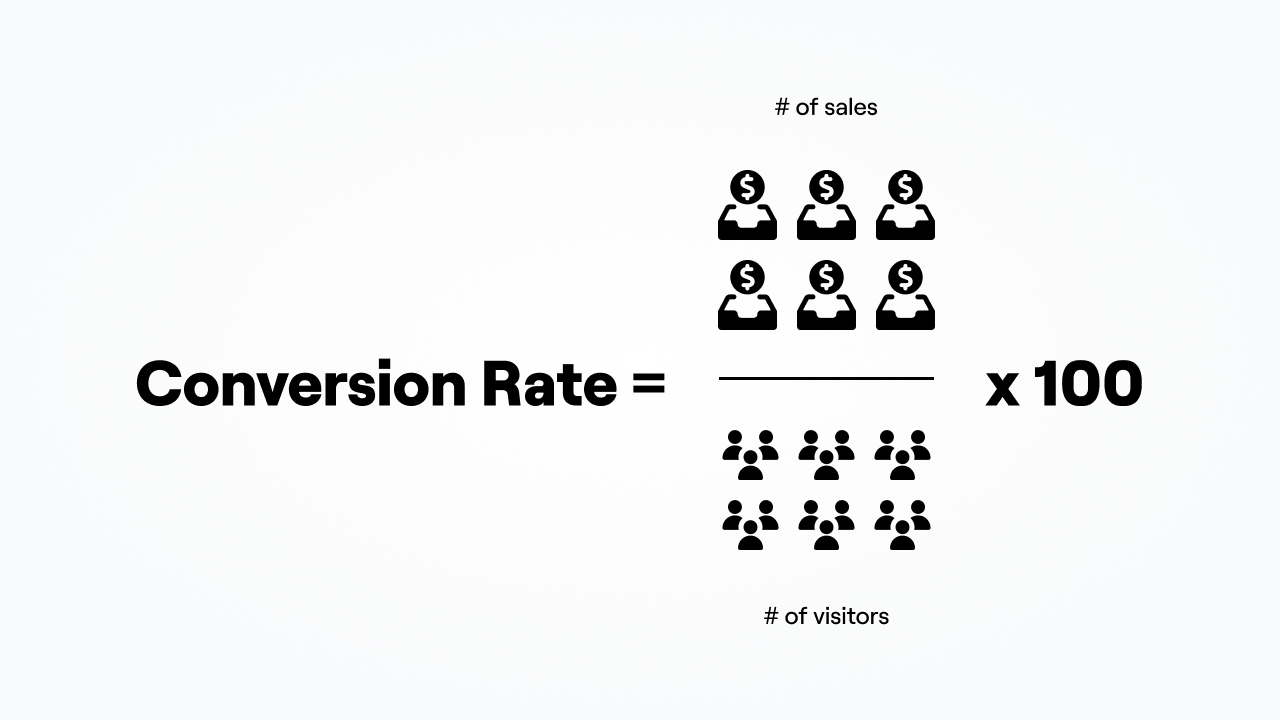
In this example, we’ll concentrate on sales.
Conversion rate = (number of sales / number of visitors) x 100.
For instance, if 140 people visited your e-commerce store and five of them made a purchase, the calculation would be:
(5 sales / 140 visitors) x 100 = a conversion rate of 3.5%
Why Shopify store owners should monitor and increase conversions:
Improving Shopify conversion rates is crucial for e-commerce sites for several reasons:
- Attracting website visitors requires time and money, so maximizing the value of that traffic is essential.
- Increasing your conversion rate leads to growth in your e-commerce business.
- Optimizing your Shopify conversion rate helps lower your average Customer Acquisition Cost (CAC), as you spend less on organic or paid traffic per sale.
- Monitoring conversion rates allows you to adopt a data-driven approach to increase sales.
What is a good conversion rate for Shopify?
The first thing to keep in mind is that a good conversion rate is subjective and varies by industry. However, there are benchmarks you can use for comparison.
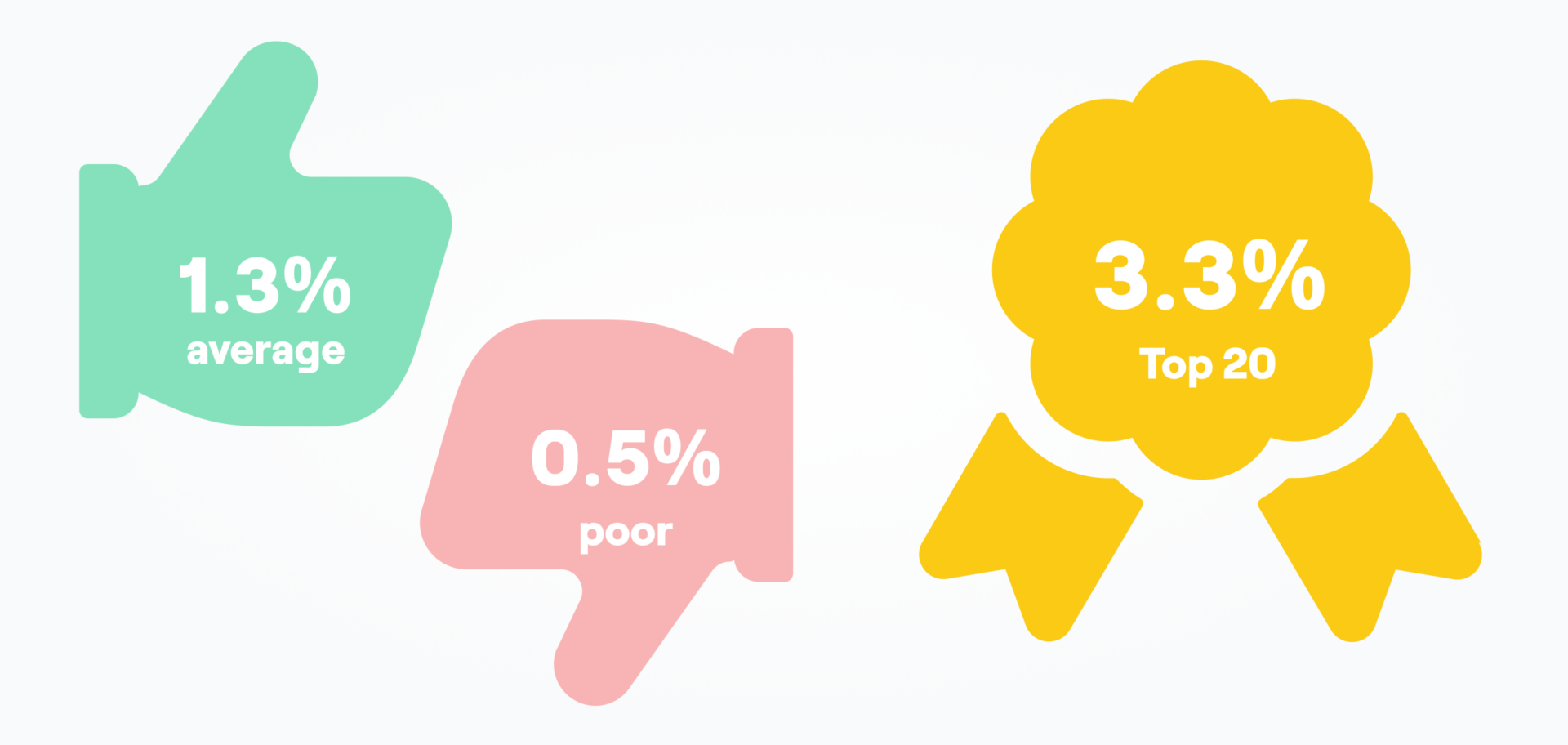
This Shopify article on conversion rates references a study by Littledata, which indicates:
- The average conversion rate is 1.3%.
- A conversion rate below 0.5% suggests the need for improvement.
- A rate above 3.3% places you in the top 20% of Shopify stores.
Of course, averages can vary based on products and industry. For example, the study shows an average of 1.07% for DIY and tools, while Healthcare (4.6%) and Gifts (4.9%) boast significantly higher averages.
The best approach is to find benchmarks for similar e-commerce stores and measure your performance against them.
Why is my Shopify conversion rate low?
There are several reasons why your Shopify conversion rate might be low. Here are a few common culprits:
Poor website design: Confusing layouts and navigation can frustrate customers, while an unprofessional design can deter purchases. Additionally, a lack of mobile optimization or slow loading times are significant barriers to conversion.
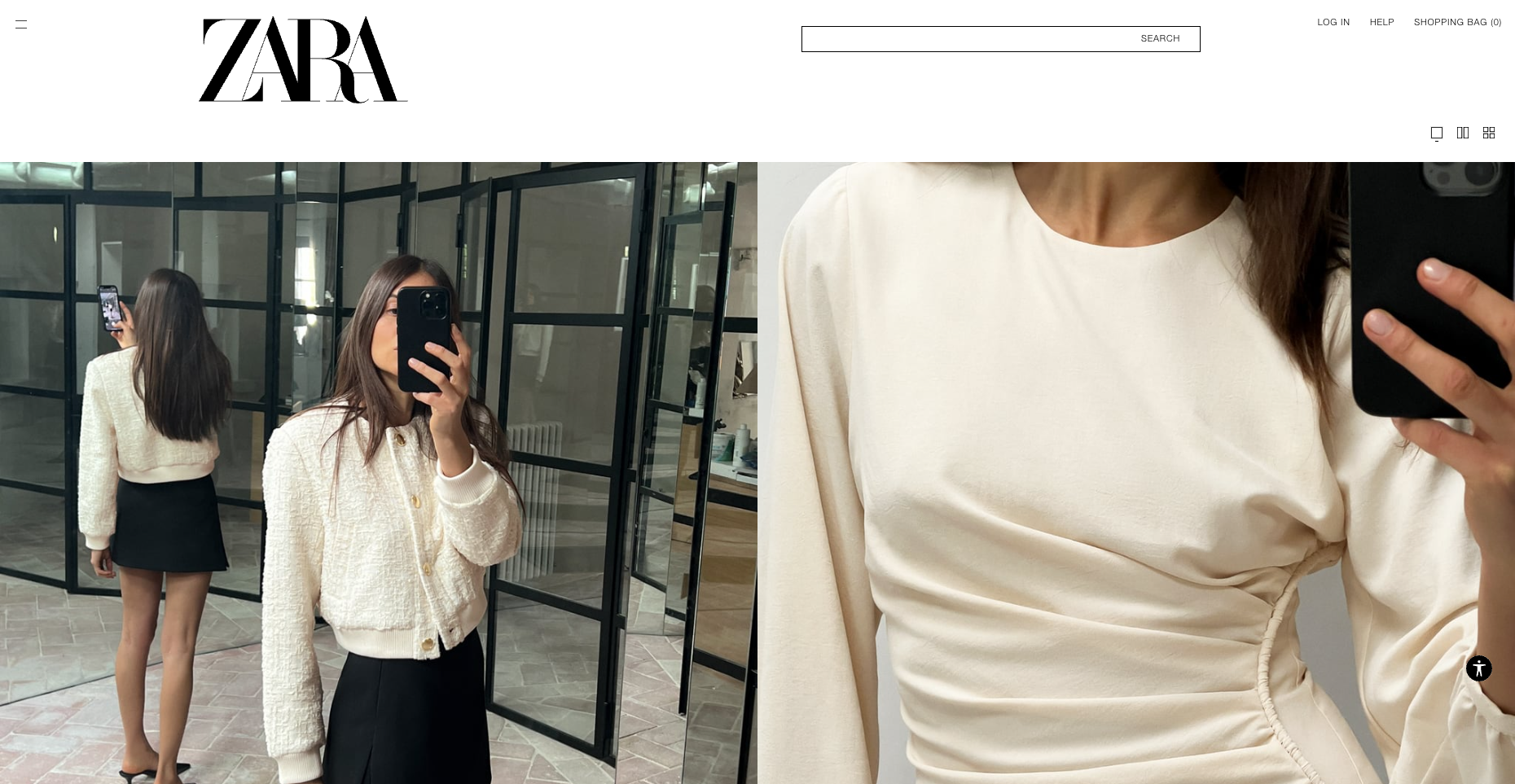
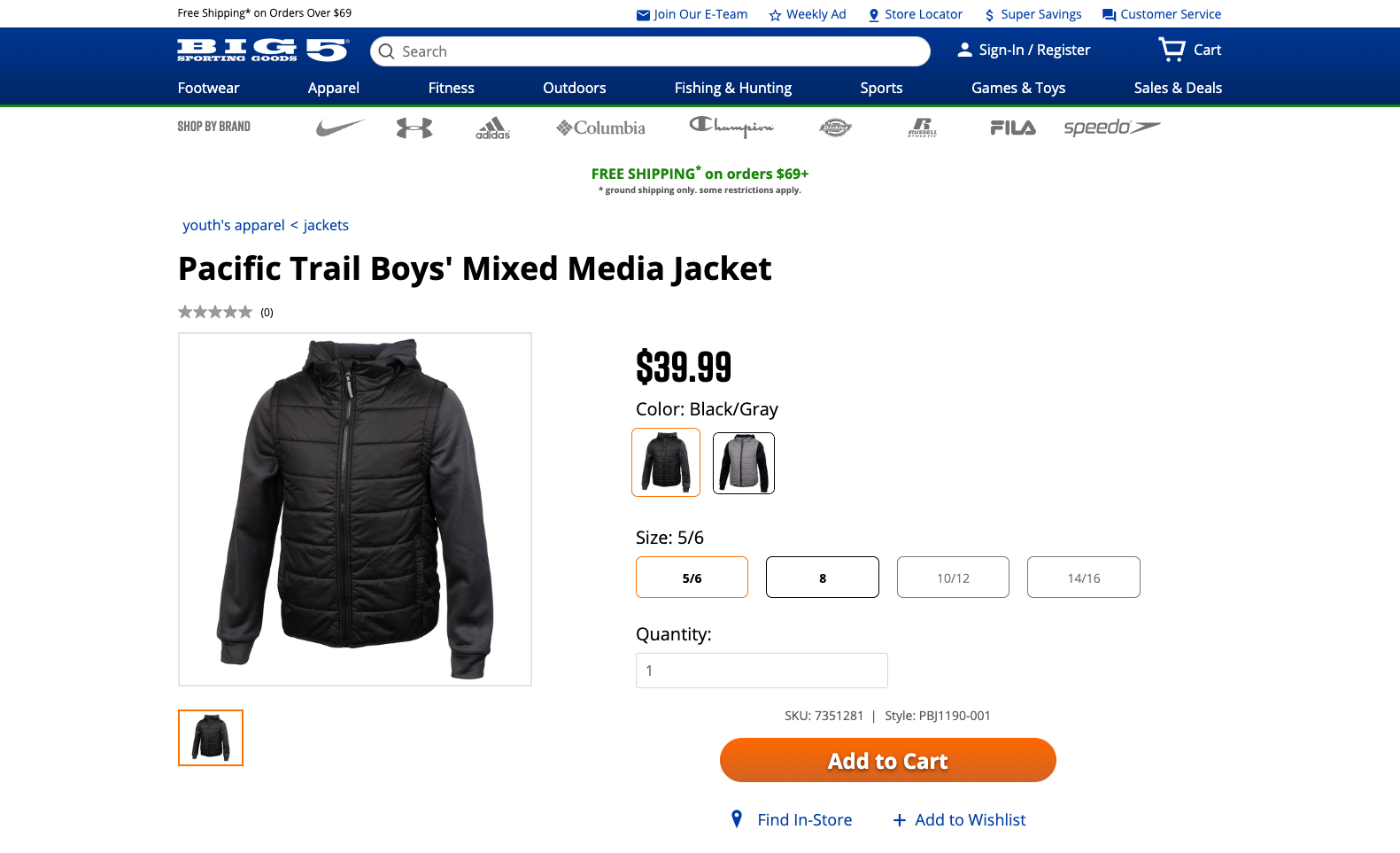
Unclear product descriptions: Incomplete or poorly written product descriptions can damage trust, and low-quality images on a product page are a major turn-off for potential customers.
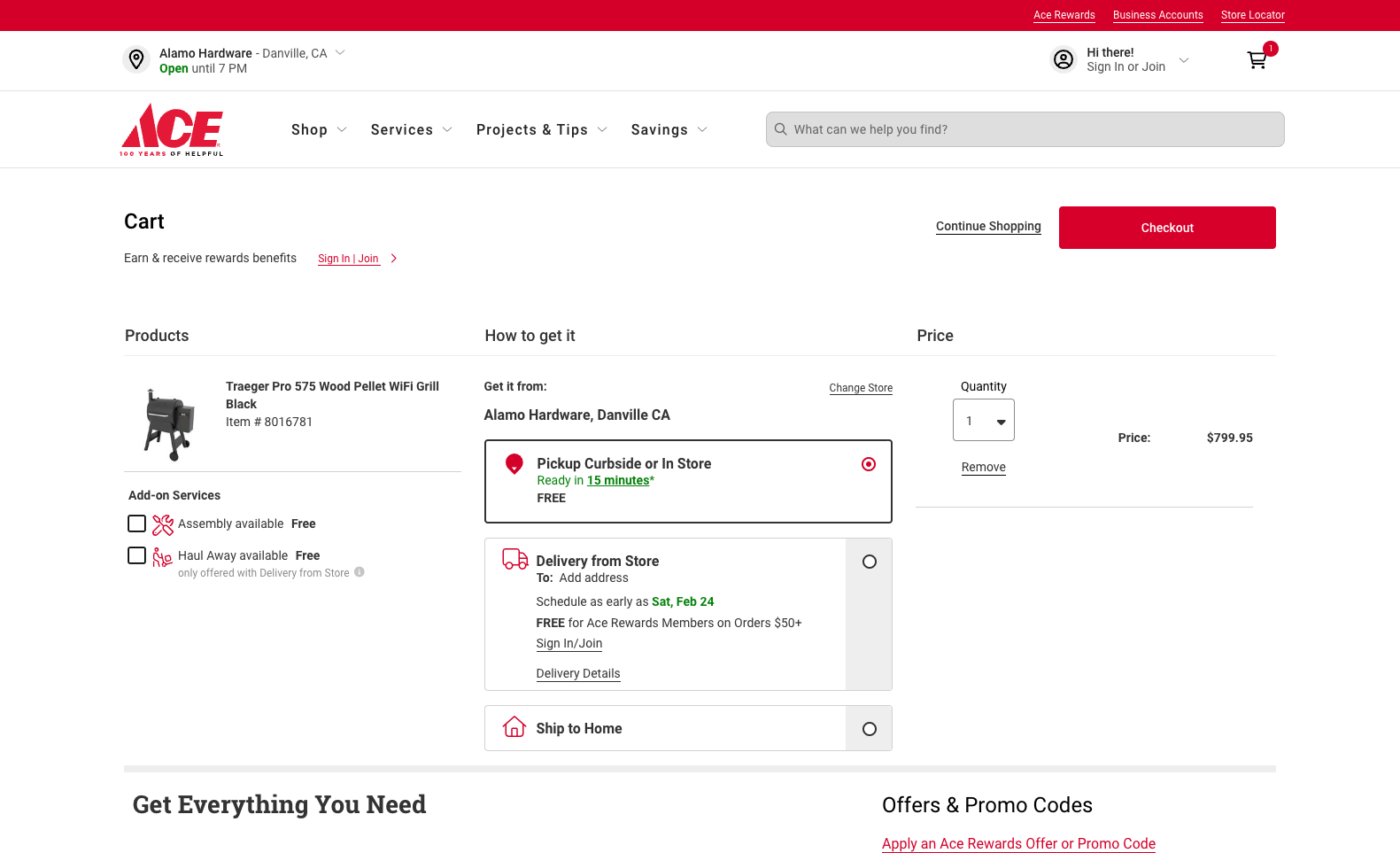
Complex checkout process: Excessive obstacles on your checkout page can drive customers away.
Target audience mismatch: This issue arises when your Shopify store, products, and messaging fail to resonate with your intended audience.
How do I increase conversion rate on Shopify?
If you’ve got one or more of those problems listed above, you must know how to increase your Shopify conversion rate. Thankfully, you can boost conversions in a few different ways. Let’s break them down into simple categories.
Website Design and User Experience (UX)
- Keep your e-commerce website clean and easy to navigate.
- Invest in a professional design or theme.
- Ensure your store is compatible with various mobile devices.
- Use clear calls to action (CTAs).
Product Images and Descriptions
- Craft compelling, detailed product descriptions.
- Leverage keywords to enhance search engine rankings.
- Utilize professional photography for your products.
- Incorporate videos on product pages.
Optimize the Checkout Experience
- Display security badges to reassure customers about data safety.
- Offer a guest checkout option.
- Minimize the number of steps required to complete the checkout.
- Provide multiple payment options.
- Consider offering free shipping.
Customer Testimonials and Social Proof
- Share customer reviews and ratings.
- Use messages like “someone just purchased…” to enhance social proof.
- Encourage customers to create and share user-generated content (UGC).
Proven strategies to increase your Shopify store’s conversion rate
Here are the best strategies when you need to know for improving Shopify conversion rates.
Website Optimization
If you’re looking to boost your Shopify conversion rate, the first step is to examine your website. Visitors expect your e-commerce site to perform smoothly; any issues can negatively impact conversion rates.
Key Areas to Consider
Website Speed: According to research from Bidnamic, quicker page loads are linked to higher conversion rates. A Vodafone case study revealed that a 31% improvement in Largest Contentful Paint (LCP) resulted in an 8% increase in sales. Use tools like Google’s PageSpeed Insights to audit your website speed.
Mobile Responsiveness: Mobile devices account for over half of all web traffic, a number that continues to rise. Your Shopify store must be mobile-responsive to ensure it serves an optimized page for smartphone visitors. This is essential to avoid high bounce rates, which can harm your conversion rates.
User Interface (UI): A good UI involves understanding user behavior as they interact with your site. It encompasses how easily customers can navigate and complete tasks. For example, ASOS simplified their registration process, which led to a 50% reduction in abandoned carts.
High-Quality Product Images and Descriptions
Convenience is one of e-commerce's biggest advantages, but customers can’t physically see or touch the products. Providing detailed product descriptions and high-quality images can significantly enhance the shopping experience.
Multiple Images: Offering several high-quality images allows customers to view products from different angles. Research by Online Dasher indicates that 90% of online shoppers consider photo quality crucial for making a purchase. Whenever possible, display products in use to help customers visualize themselves using them.
Embrace Video: Video content resonates with viewers. According to HubSpot, adding a video to a landing page can boost conversion rates by up to 86%. Video is also an effective way to highlight the benefits of specific products.
Product Descriptions: A well-known adage in copywriting states, “Don’t sell the features. Sell the benefits.” While listing specifications is important, conveying the product's benefits, telling its story, appealing to emotions, and addressing potential objections are crucial for sales.
Simplify the Checkout Process
Reduce friction during the checkout process to facilitate a smoother customer experience.
Guest Checkout: Implement a guest checkout option. Although you may miss out on some customer data, this can significantly decrease cart abandonment.
Minimize Steps: Every unnecessary page, click, or dialogue box increases the likelihood of potential customers reconsidering their purchase. Streamlining your checkout process is vital!
Offer Various Payment Options: Where feasible, provide multiple payment methods, including credit cards, PayPal, Google Pay, Apple Pay, and “Buy Now, Pay Later” options.
Leveraging marketing tactics to boost conversion rates
There are numerous effective marketing strategies to enhance your Shopify conversion rates.
Email Marketing: Build and nurture relationships with potential customers through targeted email campaigns.
Retargeting: Focus on retargeting customers who have abandoned their carts or haven't made a purchase in a while.
Social Media Engagement: Share engaging content on social media platforms to spark interest in your store.
Competitions and Giveaways: Organize social media competitions or giveaways to create excitement and buzz around your offerings.
Free Shipping Offers: Encourage purchases by offering free shipping once customers reach a specific cart total.
Search Engine Optimization (SEO): Implement SEO strategies for your store and individual products to drive sustainable organic traffic.
Utilizing Analytics to Understand and Improve Conversion Rates
Tools like Google Analytics are invaluable for establishing your baseline Shopify conversion rates. They also enable you to delve deeper into user behavior, helping you identify where customers drop off in their journey. Recognizing weaknesses in your conversion funnel can inform your improvement efforts.
Concentrate on key conversion metrics and compare them to industry benchmarks. For instance, if you notice a high rate of abandoned carts, it may be time to implement a guest checkout option.
Additionally, conduct A/B tests on images, product descriptions, and calls to action in your store. This will help you determine which creatives perform best.
Advanced Techniques for Shopify Conversion Rate Optimization
Once you’ve mastered the basic techniques, consider exploring more advanced conversion rate optimization strategies. Here are a few to consider:
- Implement time-sensitive promotions, flash sales, and alerts for low stock to instill urgency among shoppers.
- Utilize "customers also bought" recommendations, relevant product add-ons, and cross-selling and upselling techniques to enhance conversion rates.
- Establish loyalty programs to foster connections with current customers and promote repeat buying behavior.