

Learn everything you need to know about Minimum Advertised Pricing (MAP) on Shopify in 2024 with our in-depth guide.
In the highly competitive realm of e-commerce, sellers are continually looking for ways to set themselves apart and boost sales. One effective tactic that has gained traction in recent years is the implementation of Minimum Advertised Pricing (MAP) policies. This detailed guide will examine the nuances of MAP and its advantages for Shopify sellers in 2024 and beyond.
What is Minimum Advertised Pricing (MAP)?
Before exploring the specifics of MAP policies, it's essential to understand what MAP means. In simple terms, MAP is the minimum price that a retailer is permitted to advertise a product for sale. While sellers can still sell the item at a lower price, they cannot display that reduced price publicly.

The primary objective of MAP is to safeguard brand image and prevent price erosion. By establishing a minimum advertised price, brands can ensure their products are viewed as valuable and premium. This not only helps maintain healthy profit margins but also enhances the overall perception of the brand among customers.
Implementing a MAP policy necessitates careful consideration and ongoing monitoring. Brands must clearly communicate the policy to their retailers and enforce it consistently to prevent violations. Regular audits and tracking of advertised prices are vital for ensuring compliance across all sales channels.
Moreover, MAP policies can benefit retailers by creating a level playing field. When all retailers adhere to the same minimum advertised price, competition shifts from price wars to other value-added services, such as customer experience, product knowledge, and after-sales support. This fosters a more sustainable and mutually beneficial relationship between brands and retailers.
The Evolution of MAP Policies in E-commerce
MAP policies have existed for some time, but they have gained prominence in the e-commerce sector recently. As online shopping continues to dominate the retail landscape, brands are increasingly proactive in protecting their image and controlling pricing.
As online marketplaces and third-party sellers have become more prevalent, manufacturers face increasing challenges in maintaining consistent pricing across various channels. MAP policies act as a vital tool for brands to manage their product pricing and distribution effectively. They help prevent retailers from engaging in unethical practices such as price undercutting or excessive discounting.
A key feature of MAP policies is their ability to foster healthy competition among retailers. By establishing a minimum price that all retailers must adhere to, brands create a level playing field, shifting competition from price to other factors such as customer service, product knowledge, and overall shopping experience. This cultivates a more sustainable retail environment.
Moreover, MAP policies benefit consumers by upholding the perceived value of a brand's products. When prices drop significantly due to intense competition, consumers may view the products as lower quality. By enforcing MAP policies, brands can maintain the perceived value and prestige of their offerings, leading to increased brand loyalty and trust.
Advantages of Implementing MAP on Shopify
Implementing MAP on Shopify provides numerous benefits for sellers. Firstly, it helps safeguard profit margins by ensuring products are not sold at excessively low prices, which can negatively impact profitability.
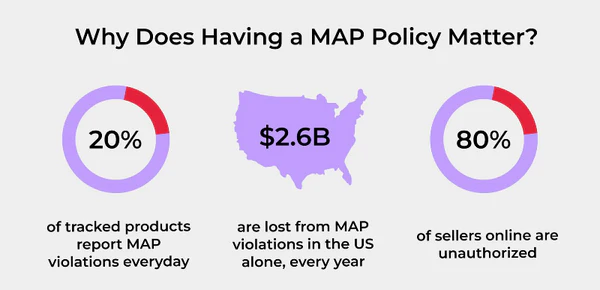
Secondly, MAP policies create a level playing field for all retailers selling a particular brand's products. This prevents retailers from engaging in price wars or heavily discounting products to gain a temporary competitive edge. Ultimately, this encourages healthy competition based on factors beyond just pricing, such as product quality and customer service.
Additionally, MAP policies help maintain the perceived value of a brand's products. By controlling the advertised price, brands can position their offerings as premium and enhance their overall brand image in the eyes of consumers.
Moreover, implementing MAP on Shopify can boost brand loyalty and trust among customers. When consumers observe consistent pricing across different retailers, they are more likely to trust the brand and view it as reliable. This can lead to repeat purchases and positive word-of-mouth referrals, ultimately enhancing sales and brand reputation.
Furthermore, MAP policies can help build strong partnerships between brands and retailers. By establishing clear pricing guidelines, brands can cultivate better relationships with retailers, ensuring mutual respect and collaboration. This can result in improved cooperation on marketing efforts, product launches, and overall brand promotion.
Strategies for Enforcing MAP Compliance
Enforcing Minimum Advertised Price (MAP) compliance is essential for maintaining brand integrity and ensuring fair competition among retailers. By actively monitoring and enforcing MAP policies, Shopify sellers can protect their brand reputation and prevent price erosion in the market.
One effective strategy for enforcing MAP compliance is to conduct regular audits of online channels where your products are advertised. By monitoring the advertised prices across various platforms, sellers can quickly identify any deviations from the established MAP pricing and take necessary actions to address the violations.
- Regular Monitoring: Keep track of the advertised prices of your products on various online channels to identify any violations.
- Communication: Establish clear communication channels with retailers to educate them about the importance of MAP compliance.
- Warning System: Implement a three-strike system, where the first two violations result in warning notices, and the third violation leads to the termination of the retailer's account.
- Collaboration with MAP Monitoring Tools: Utilize specialized MAP monitoring tools to automate the process of tracking and reporting violations.
Furthermore, fostering a collaborative relationship with retailers is essential in promoting MAP compliance. By engaging in open dialogue and providing educational resources on the benefits of adhering to MAP policies, sellers can cultivate a culture of compliance within their distribution network. This proactive approach not only deters violations but also strengthens partnerships with retailers who understand the value of maintaining consistent pricing standards.
MAP Monitoring Tools for Shopify Sellers
To simplify the process of monitoring MAP compliance, several tools have been developed specifically for Shopify sellers. These tools provide real-time alerts whenever a violation occurs and offer detailed analytics to help sellers make informed decisions about enforcement actions.

Some popular MAP monitoring tools for Shopify include XYZ Monitoring, ABC Tracker, and PQR Mapper. These tools assist sellers in keeping track of their MAP policies and ensuring that retailers uphold pricing integrity across various marketplaces.
Navigating Legal Aspects of Minimum Advertised Pricing
While MAP policies are an effective tool for brands, it's crucial to navigate the legal aspects to avoid potential disputes. It is advisable to consult with legal professionals who specialize in e-commerce and pricing regulations to ensure compliance with all relevant laws and regulations.

By understanding the legal framework surrounding MAP, sellers can design and implement effective policies that are both lawful and enforceable, safeguarding their brand reputation and bottom line.
How MAP Impacts Brand Image and Customer Perception
MAP plays a crucial role in shaping brand image and customer perception. By maintaining consistent pricing across all channels, brands can establish themselves as reliable and trustworthy in the eyes of consumers.
When consumers see a product consistently priced at or above the MAP, it creates a perception of value and quality. This perception encourages potential customers to view the product as premium and worthy of their investment.

Conversely, inconsistent pricing or aggressive discounting can undermine brand trust and lead to doubts about the product's quality. Therefore, implementing and enforcing MAP policies is essential for fostering a positive brand image, which ultimately results in enhanced customer loyalty and increased sales over time.
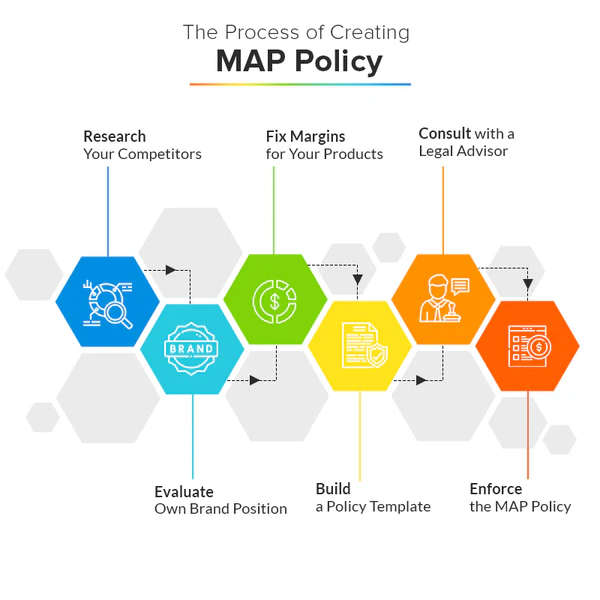
Tips for Setting Effective Minimum Advertised Prices
Establishing effective minimum advertised prices requires thoughtful consideration. Here are some tips to help you determine optimal prices:
- Market Research: Perform comprehensive market research to grasp the competitive landscape and identify the ideal price point for your products.
- Cost Analysis: Assess all relevant costs, including manufacturing, shipping, and marketing, to ensure profitability at the minimum advertised price.
- Brand Positioning: Take into account your brand positioning and target audience. Set prices that align with your brand image and reflect the perceived value of your products.
- Flexibility: Stay adaptable and regularly review prices based on market trends, competitor actions, and customer feedback.
Forecasting MAP Trends for 2024 and Beyond
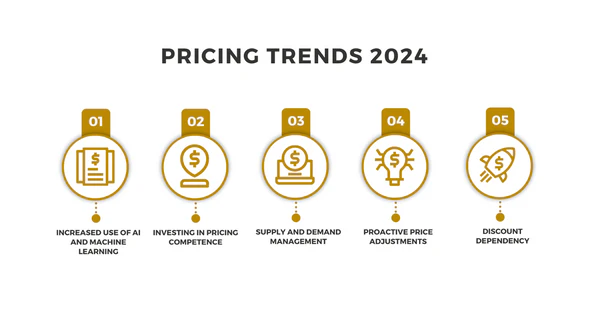
As e-commerce continues to evolve, the significance of MAP policies is expected to increase in the coming years. Here are some trends to keep an eye on in 2024 and beyond:
- Increased Automation: The incorporation of artificial intelligence and machine learning into MAP monitoring tools will streamline enforcement and improve accuracy.
- Expanded Global Reach: With the rapid global growth of e-commerce, brands will need to adjust their MAP policies to manage pricing across various regions and marketplaces.
- Heightened Legal Scrutiny: As MAP policies become more common, legal authorities may closely examine pricing practices. Keeping abreast of relevant laws and regulations will be essential.
In summary, adopting MAP policies on Shopify is a strategic move for sellers who want to safeguard their brand value, enhance sales, and sustain healthy profit margins. By understanding the core principles of MAP, utilizing monitoring tools effectively, and maintaining a proactive stance, sellers can confidently navigate the changing e-commerce landscape and benefit from robust pricing strategies.