

Learn How to Avoid Common Shopify SEO Mistakes and Optimize Your Online Store for Better Search Engine Rankings
Shopify has emerged as one of the most popular platforms for e-commerce businesses. Its user-friendly interface and extensive features make it easy for anyone to launch an online store. However, when it comes to optimizing your Shopify store for search engines, many store owners fall into common traps. In this article, we will discuss these pitfalls and provide practical tips on how to avoid them, allowing you to optimize your store and attract more organic traffic.
Neglecting Title Tags and Meta Descriptions
One of the most significant mistakes Shopify store owners make is overlooking the optimization of title tags and meta descriptions. These elements are crucial for informing search engines about the content of your pages. Title tags serve as the headlines in search engine results, while meta descriptions offer a brief summary of the page's content. By optimizing these elements with relevant keywords and compelling language, you can greatly enhance your click-through rates.
When crafting title tags, ensure they accurately reflect the content of the page and include pertinent keywords. Keep them concise and engaging to encourage users to click on your listing. Similarly, meta descriptions should be informative, succinct, and appealing. Avoid keyword stuffing; instead, write them in a way that resonates with your target audience.
Moreover, it's important to recognize that title tags and meta descriptions affect not only your search engine rankings but also the user experience. A well-crafted title tag can capture a user's attention and entice them to click through to your website. Conversely, an engaging meta description can give users a preview of what to expect on the page, increasing the likelihood of their visit.
Keep in mind that search engines like Google often use title tags and meta descriptions to generate snippets displayed in search results. By neglecting these elements, you miss valuable opportunities to attract organic traffic to your Shopify store. Take the time to optimize your title tags and meta descriptions, and you're likely to see improvements in both search visibility and user engagement.
Ignoring Image Optimization
Images can be a powerful tool for engaging users and enhancing the overall visual appeal of your Shopify store. However, many store owners underestimate the importance of image optimization for SEO. Optimized images not only enhance page loading speed but also facilitate easier crawling and indexing by search engines.

When adding images to your store, ensure you use descriptive filenames and alt tags that accurately describe the content of the image. This practice helps search engines understand what the image represents and boosts your chances of appearing in image search results. Additionally, compressing images to reduce file size is essential for improving page loading speed, a critical ranking factor for search engines.
Moreover, optimizing images can significantly enhance user experience. Large, unoptimized images can slow down your website, resulting in higher bounce rates and lower conversion rates. By ensuring your images are properly optimized, you can provide a seamless browsing experience for your visitors, encouraging them to explore your products and ultimately make a purchase.
Another important aspect to consider is the use of responsive images. With the rise of mobile device usage, having responsive images that adjust to different screen sizes is essential. This not only enhances the visual appeal of your store on mobile devices but also contributes to a better overall user experience, allowing visitors to easily view and interact with your content regardless of the device they are using.
Overlooking Mobile Responsiveness
In today's mobile-dominated landscape, having a mobile-responsive website is not just an option but a necessity. Unfortunately, many Shopify store owners neglect this crucial aspect of SEO. Mobile responsiveness refers to your website's ability to adjust and display properly across various devices, such as smartphones and tablets.

Mobile responsiveness not only enhances user experience but also impacts your search engine rankings. Search engines favor mobile-friendly websites and penalize those that aren’t optimized for mobile devices. To ensure your Shopify store is mobile-responsive, select a responsive theme and regularly test your site's performance across various devices.
When a website isn’t optimized for mobile, it can result in a frustrating user experience. Visitors may struggle to navigate the site, buttons might be too small to click, and content may not display correctly, leading to irritation and, ultimately, a high bounce rate. This can adversely affect your conversion rates and overall online success.
Moreover, as more users access websites via mobile devices, having a mobile-responsive design becomes crucial for reaching a broader audience. By catering to mobile users, you can enhance engagement, boost customer satisfaction, and ultimately drive more sales. Neglecting mobile responsiveness not only hampers your SEO efforts but also restricts your growth potential in the competitive e-commerce landscape.
Failing to Utilize Internal Linking

Internal linking is an effective SEO strategy that many Shopify store owners overlook. Internal links connect different pages within your website, aiding search engines in understanding the structure and hierarchy of your content. They also help distribute link equity and enhance user navigation.
When creating internal links, use descriptive anchor text that incorporates relevant keywords. Avoid generic phrases like "click here" or "learn more." Instead, opt for descriptive text that accurately reflects the destination page. Additionally, ensure your internal links are pertinent and add value to the user experience.
Avoiding Keyword Stuffing and Over-Optimization
Keyword stuffing involves excessively using keywords in your content to manipulate search engine rankings. However, search engines are now more adept at detecting and penalizing such tactics. Keyword stuffing not only hampers the readability and user experience of your content but can also lead to search engine penalties.
Rather than fixating on keyword density, focus on creating high-quality content that delivers value to your target audience. Use keywords naturally and strategically throughout your content, ensuring they fit organically within the context. By producing valuable content, you will naturally incorporate relevant keywords without resorting to keyword stuffing.
Disregarding Page Speed and Loading Times
Page speed and loading times significantly influence user experience and SEO. Slow-loading pages can lead to higher bounce rates and negatively affect your search engine rankings. Therefore, optimizing your Shopify store for fast loading times is essential.
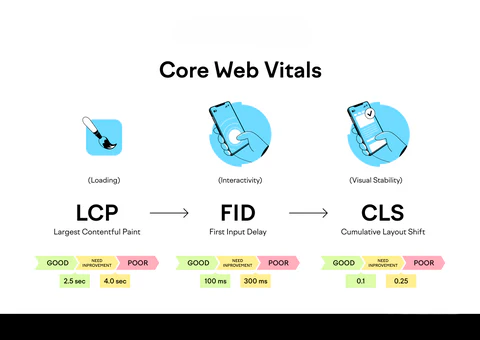
Start by selecting a lightweight and optimized theme for your store. Compress images, minify CSS and JavaScript files, and leverage browser caching to reduce page load times. Regularly test your site's speed using tools like Google PageSpeed Insights to identify and resolve any performance issues.
Creating Unique Product Descriptions
A common mistake among Shopify store owners is relying on manufacturer-provided product descriptions or using duplicate content. This not only leads to poor search engine rankings but also makes it difficult for your product pages to stand out from the competition.
Craft unique and compelling product descriptions that emphasize the features, benefits, and unique selling points of your products. Optimize these descriptions with relevant keywords to engage potential customers. Unique product descriptions offer valuable content for search engines and enhance your chances of ranking higher in search results.
Setting Up Google Analytics and Search Console
Google Analytics and Google Search Console are essential tools for monitoring and analyzing the performance of your Shopify store. Unfortunately, many store owners overlook setting them up, missing out on crucial insights and optimization opportunities.
Google Analytics provides valuable data on your website's traffic, user behavior, and conversion rates, allowing you to track the effectiveness of your SEO efforts and make data-driven decisions. Meanwhile, Google Search Console helps you monitor and optimize your store's presence in Google search results.
Integrating Social Media for Better SEO
Social media integration is often neglected in SEO strategies. However, social signals can influence your search engine rankings. Integrating social media into your Shopify store enhances your online presence and encourages social sharing and engagement.
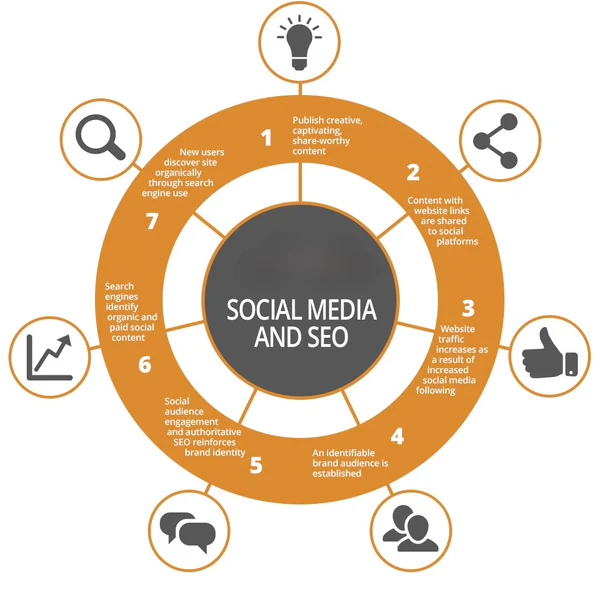
Add social media sharing buttons to your product pages and blog posts to simplify the process for visitors to share your content across various platforms. Encourage your customers to post reviews and testimonials on social media, as these can significantly enhance your store’s credibility and boost its search rankings. Additionally, make it a point to regularly update and maintain your social media profiles to cultivate a consistent online presence.
The Importance of Local SEO Optimization
If your Shopify store operates from a physical location or caters to a specific geographic area, neglecting local SEO optimization can be a costly oversight. Local SEO is essential for increasing your visibility in local search results, thereby attracting customers in your desired region.
Begin by optimizing your Google My Business profile with accurate information, including your address, phone number, and operating hours. Incorporate local keywords within your content and provide location-specific details on your website. Encourage customers to leave reviews on local business directories such as Yelp, and engage with community events or sponsorships. These actions will help improve your local search rankings and draw in customers from your target area.
In summary, optimizing your Shopify store for search engines is vital for generating organic traffic and expanding your online business. By steering clear of common SEO missteps—such as neglecting title tags and meta descriptions, failing to optimize images, and overlooking mobile responsiveness—you can enhance your store's visibility in search results. Furthermore, employing strategies like internal linking, avoiding keyword stuffing, optimizing page speed, crafting unique product descriptions, setting up Google Analytics and Search Console, integrating social media, and focusing on local SEO will further improve your store's SEO performance. Implementing these strategies will help you sidestep typical SEO pitfalls and increase the likelihood of success for your Shopify store.